September 25, 2026
Erin
Search Engine Optimization Social Media PPC Management Creative Design Services & Visual Assets Digital Marketing

Digital marketing can help businesses reach new customers, generate qualified leads and make more informed decisions about where to invest their marketing budget. But effective digital marketing is about more than simply having a website, running an ad or posting occasionally on social media.
A strong digital marketing strategy brings multiple channels together so they support the same business goals. SEO can build long-term visibility, paid advertising can capture immediate demand, social media can strengthen brand awareness and trust, and analytics can help determine which efforts are actually generating results.
In this blog post, we’ll explore how digital marketing can improve business growth, how different marketing channels work together and why measuring your results is an important part of building a successful strategy.
How Does Digital Marketing Help a Business Grow?
Digital marketing helps businesses connect with potential customers throughout different stages of the buying journey.
Some customers may discover your business through Google. Others may see a social media post, click an advertisement, read a blog or find your business through Google Maps.
Instead of relying on one marketing channel, an integrated digital marketing strategy creates multiple opportunities for potential customers to discover, research and connect with your business.
SEO Helps Build Long-Term Search Visibility
Search Engine Optimization (SEO) helps make your website easier for search engines to discover, understand and display for relevant searches.
Effective SEO can include keyword research, optimized website content, technical improvements, internal linking, local SEO and ongoing content development.
Search is also continuing to evolve with AI-powered experiences such as Google AI Overviews and AI Mode. Google states that established SEO best practices continue to apply to its AI search features, making clear, useful, crawlable and well-structured website content an important part of both traditional and AI-powered search visibility.
SEO, AEO and AI Search Optimization
Businesses should now consider how their content performs across traditional search engines, answer engines and AI-powered search experiences.
Creating useful content that clearly answers customer questions, organizing information with descriptive headings and maintaining accurate business information can make your content easier for both people and search platforms to understand.
PPC Advertising Can Capture Immediate Demand
While SEO is generally a longer-term strategy, Pay-Per-Click (PPC) advertising can help businesses gain visibility more quickly.
Google Ads and other paid search campaigns allow businesses to reach people actively searching for particular products or services.
Campaigns can be optimized around important actions such as phone calls, form submissions, purchases or other conversions. Conversion tracking also helps businesses understand which ads, keywords and campaigns are contributing to meaningful customer activity and return on investment.
Google Business Profile Supports Local Visibility
For businesses serving specific communities or service areas, local search can be an important part of digital marketing.
An accurate and complete Google Business Profile can help your business appear across Google Search and Google Maps when potential customers are searching locally.
Maintaining current contact information, business hours, services, photos and reviews can also help customers better understand your business before they visit your website or make contact.
Social Media Builds Awareness and Trust
Social media gives businesses another way to stay visible and communicate consistently with their audience.
Sharing helpful content, company updates, services, projects, customer experiences and industry information can reinforce your brand and keep your business top-of-mind.
Social media can also support other areas of your digital marketing strategy by promoting website content, directing users to landing pages and reaching targeted audiences through paid social advertising.
Content and Email Marketing Help Nurture Your Audience
Not every potential customer is ready to make a decision the first time they encounter your business.
Blogs, educational resources, service information and email campaigns can help answer questions and keep your business connected with prospects and existing customers.
Content also supports SEO by giving search engines more useful information about your expertise, services and the questions your customers are asking.
How Can You Measure Digital Marketing ROI?
One of the advantages of digital marketing is the ability to measure performance.
Website analytics, conversion tracking and campaign reporting can provide insight into metrics such as website traffic, leads, phone calls, form submissions, conversions and advertising costs.
Rather than focusing only on clicks, impressions or follower counts, businesses can evaluate which marketing activities are contributing to meaningful results.
Understanding return on investment can help businesses determine where their marketing budget is working, identify opportunities for improvement and make more informed decisions about future campaigns.
Why a Connected Digital Marketing Strategy Matters
Digital marketing works best when individual channels support one another.
SEO can help customers discover your business. PPC can reach people actively searching. Social media can build familiarity and trust. Content can answer important questions. Email can nurture relationships. Analytics can show what is generating results.
Together, these channels can create a stronger and more measurable path from online visibility to leads and business growth.
Grow Your Business with Digital Marketing from i2bGlobal
i2bGlobal provides integrated digital marketing services designed to help businesses improve visibility, attract qualified traffic and generate measurable leads.
From SEO, AEO and AI search optimization to Google Ads, social media marketing, email marketing, landing pages, analytics and conversion tracking, our team can develop a strategy based on your business goals and opportunities.
Get in Touch Today
Build a stronger online presence, reach more of the right customers and move your business forward with a connected digital marketing strategy from i2bGlobal.
September 14, 2026
Erin
Search Engine Optimization Social Media PPC Management Creative Design Services & Visual Assets Digital Marketing

Social media has become an important part of how businesses are discovered, evaluated, and remembered online. And for many customers, platforms like Facebook, Instagram, and LinkedIn are often one of the first places they interact with a brand. They may visit your profile before contacting you, read comments and reviews, look through recent posts, or use social media to get a better sense of your services, expertise, and reputation.
That means social media is no longer just about posting updates. It plays a larger role in your overall digital presence by supporting brand awareness, customer communication, website traffic, reputation management, PPC campaigns, SEO, AEO, and emerging AI-powered search experiences.
In this blog, we’ll explore why social media matters for businesses across every industry and how a strong, consistent social presence can support both your marketing strategy and long-term business growth.
Why Does Social Media Matter for Business?
Social media gives businesses a direct way to stay visible and communicate with customers between visits to their website, phone calls, purchases, or appointments.
A professional social media presence can help your business:
- Build brand awareness and recognition
- Share services, products, projects, and company news
- Educate customers and answer common questions
- Showcase reviews, testimonials, and success stories
- Drive qualified traffic to your website
- Support paid advertising campaigns
- Respond to questions and customer feedback
- Stay top-of-mind with existing and potential customers
The goal is not simply to collect likes or followers. Effective social media should support real business objectives, including visibility, trust, customer relationships, leads, and long-term growth.
Social Media Supports Your Overall Digital Marketing Strategy
Your website, SEO, PPC campaigns, email marketing, online reviews, and social media should not operate as separate pieces.
- Provides another platform to distribute useful content, promote key website pages, highlight expertise, and reinforce messaging across search and advertising channels.
- Allows content to be repurposed across multiple formats, such as turning a blog into posts or graphics, using customer reviews for social proof, and promoting service pages to drive targeted traffic.
- Fosters a cohesive digital marketing strategy where each channel mutually reinforces the others.
How Does Social Media Support SEO, AEO, and AI Search?
Social media engagement is not a shortcut to higher Google rankings. However, social media can strengthen the broader digital presence surrounding your business by increasing content visibility, encouraging website visits, building brand recognition, and creating more opportunities for people to discover and share your content.
Google continues to recommend helpful, reliable, people-first content and states that established SEO best practices remain relevant for AI Overviews, AI Mode, and other generative search experiences.
That makes strong brand content increasingly important. Businesses should clearly communicate their expertise, services, locations, answers, and value across their website and other public-facing digital channels.
Social media can help reinforce those messages by consistently publishing useful information that reflects what your business knows and how it helps customers.
Social Media Is Also Customer Service
Customers use social platforms to ask questions, check reviews, send messages, and learn how a business responds to feedback.
An inactive profile, unanswered message, or outdated information can create the wrong impression. A well-managed profile shows that your business is active, accessible, and paying attention.
At i2bGlobal, social media management can include content planning, caption writing, branded graphics, publishing, comment and message monitoring, review monitoring, profile optimization, and performance reporting.
That combination helps businesses maintain a professional presence without placing the entire workload on an internal team.
Does Every Business Need Social Media?
In most industries, the answer is yes—but the right platforms and strategy will vary.
A manufacturer may benefit more from LinkedIn than Instagram. A local service company may focus on Facebook and Google Business Profile. A visually driven brand may benefit from Instagram, while a B2B company may prioritize thought leadership and professional updates.
The important part is choosing the channels that make sense for your audience and using them consistently.
Build a Stronger Social Media Presence with i2bGlobal
Social media is no longer an isolated marketing task. It is part of how customers discover, research, evaluate, contact, and remember businesses.
i2bGlobal can help your business develop a social media strategy that supports your brand, website, SEO, PPC campaigns, reputation, AI search readiness, customer service, and long-term growth.
From strategy and content creation to publishing, monitoring, reviews, and reporting, our team can help turn your social channels into stronger business assets.
Request your free consultation and discover how professional social media management can help your business get noticed, get found, and grow online.
Get in Touch Today
From social media strategy and content creation to SEO, PPC, reputation management, AI search readiness, and ongoing digital marketing support, i2bGlobal can help your business build a stronger, more connected online presence.
July 13, 2026
Erin
Web Development Search Engine Optimization Social Media PPC Management Digital Marketing
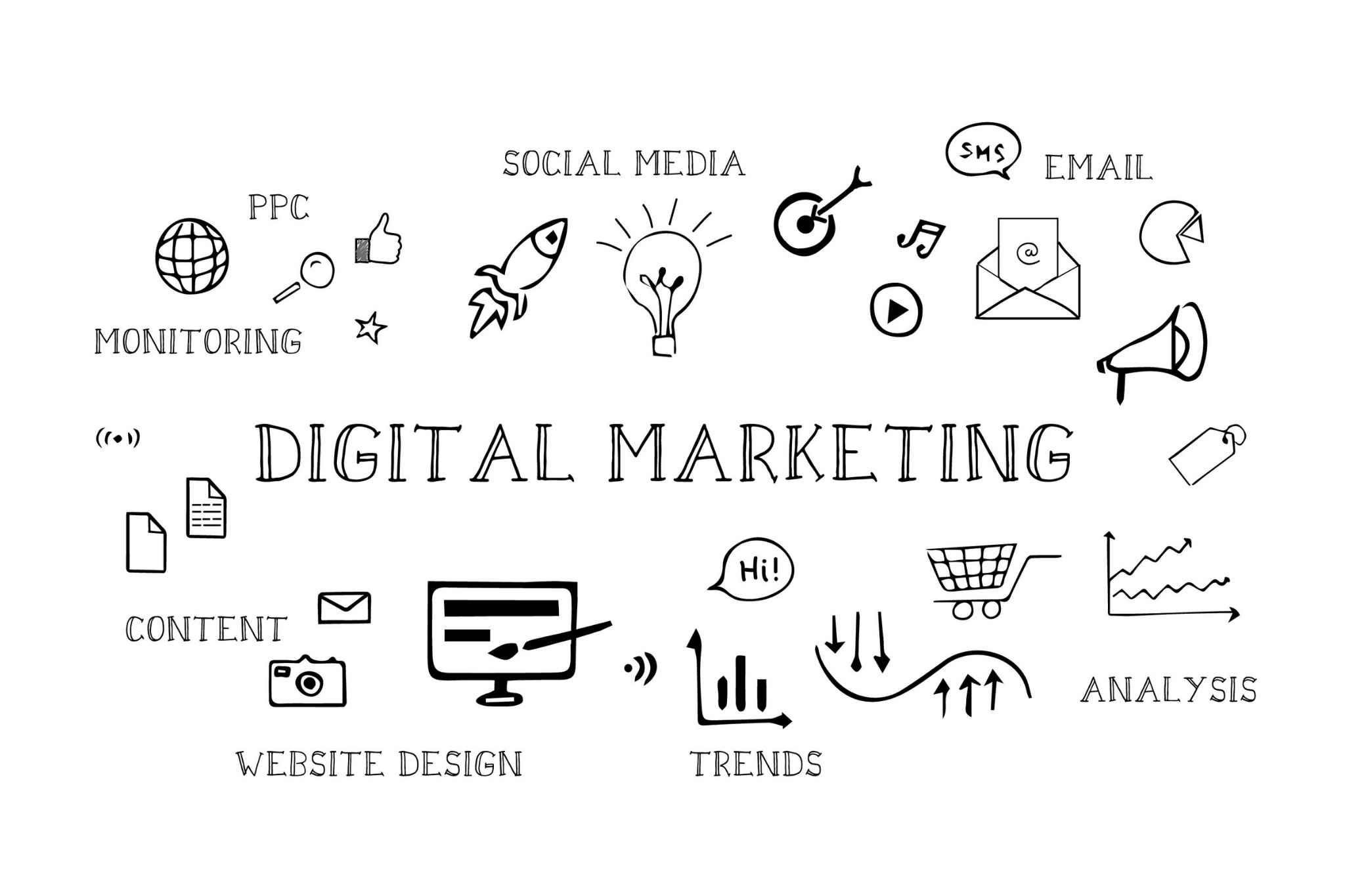
Getting found online is not as simple as running one ad or adding a few keywords to your website. Customers are searching in more places now, including Google, paid ads, maps, social media, answer engines, and AI search tools.
In this blog, we will look at how PPC, SEO, AEO, and AI search work together, why they matter for business growth, and how i2bGlobal helps businesses build a stronger digital presence that is easier to find, understand, and act on.
What Is Digital Visibility?
Digital visibility is how easily customers can find your business online.
This includes where your business appears in:
- Google Search
- Google Maps
- Paid ads
- Organic search results
- Answer-style search results
- AI-powered search tools
- Social media platforms
A strong digital strategy should help people quickly understand who you are, what you offer, where you work, and what step they should take next.
PPC: Faster Visibility for High-Intent Searches
PPC, or pay-per-click advertising, helps your business appear in front of people who are actively searching for your products or services.
This can also include these key elements:
- Google Ads
- Bing Ads
- Display ads
- Remarketing campaigns
- Landing page campaigns
PPC is helpful when your business wants faster visibility, more qualified traffic, or support for a specific service, offer, or location.
However, PPC works best when the full experience is aligned. Your keywords, ad copy, landing page, offer, and call to action all need to match what the customer is looking for. Google Ads notes that Quality Score is connected to expected clickthrough rate, ad relevance, and landing page experience.
SEO: Building Long-Term Search Visibility
SEO, or search engine optimization, helps your website show up in organic search results over time. Using these important keywords can help search engines crawl, index, and understand website content.
Strong SEO may include the following:
- Keyword research
- Service page optimization
- Local SEO
- Technical website improvements
- Helpful blog content
- Internal linking
- Metadata
- Mobile-friendly design
- Page speed improvements
SEO is not usually instant, but it gives your business a stronger foundation. When your website is clear, useful, and easy to navigate, it becomes easier for both customers and search engines to understand what you do.
AEO: Answering Customer Questions Clearly
AEO stands for answer engine optimization. It focuses on structuring content so your website can answer common customer questions clearly and directly.
Instead of only searching short phrases, people often ask full questions like:
- “How can I get more leads from Google?”
- “Do I need SEO if I already run ads?”
- “What is the difference between PPC and SEO?”
AEO can include FAQ sections, clear headings, short answers, structured content, and schema markup. Google’s structured data documentation explains that structured data can help Google better understand the content on a page.
AI Search: Preparing for Modern Search Behaviour
AI search is changing how people research businesses. Tools like ChatGPT search and Bing generative search can provide conversational answers, summarize information, and connect users with web sources. Google is also now offering AI mode as a way to find answers quickly, the AI result is usually now at the top of the page. This alone has changed the way we use search engines, making sure your website has strong AI search capabilities has become vastly important.
For businesses, this makes clarity even more important. AI search tools need content that is easy to understand, specific, and well organized.
To support AI search readiness, your website should include:
- Clear service pages
- Helpful answers to common questions
- Local service area details
- Consistent business information
- Strong page structure
- Trust signals, such as reviews, experience, and case studies
- Fast, mobile-friendly pages
The goal is not to write for robots. The goal is to make your website genuinely useful for people, which also helps search systems understand your business better.
Why These Strategies Work Better Together
PPC, SEO, AEO, and AI search should not be treated as separate tasks. They are all part of the same customer journey.
Someone may first see your ad, then search your company name, read a service page, compare reviews, ask an AI tool for options, and finally contact your business.
That journey works better when everything is connected:
- Ads match landing pages
- Service pages answer real questions
- SEO supports long-term visibility
- AEO makes answers easier to find
- AI search readiness improves clarity
- Analytics show what is working
A Connected Strategy with i2bGlobal
At i2bGlobal, we connect SEO, Google Ads, social media, email marketing, landing pages, and analytics to help businesses attract qualified traffic and generate more leads.
Our digital marketing services may include:
- SEO and search visibility improvements
- Google Ads and Bing Ads campaign setup
- PPC keyword research and ad copy
- Landing page review and optimization
- Social media presence review
- Email marketing opportunities
- Content and messaging improvements
- Conversion tracking and analytics
- AI search, AEO, and GEO optimization support
- Clear next-step recommendations
Whether your audience is local, regional, or spread across the continent, our digital strategies are designed to help you reach your customers effectively. We support businesses across Canada and North America, tailoring our SEO, PPC, AEO, and AI search services to ensure your brand connects with the right people, regardless of your specific service area or target market.
Contact i2bGlobal to Learn More
If your digital marketing feels disconnected, inconsistent, or hard to measure, i2bGlobal can help you find the gaps and build a clearer plan.
Request your free digital marketing strategy review and take the next step toward stronger visibility, better traffic quality, and more measurable lead generation.
Get in Touch Today:
With PPC, SEO, AEO, AI search readiness, web development, hosting, creative design, and ongoing support, i2bGlobal helps your business get noticed, get found, and grow online.
June 25, 2026
Erin
Search Engine Optimization Social Media PPC Management Creative Design Services & Visual Assets
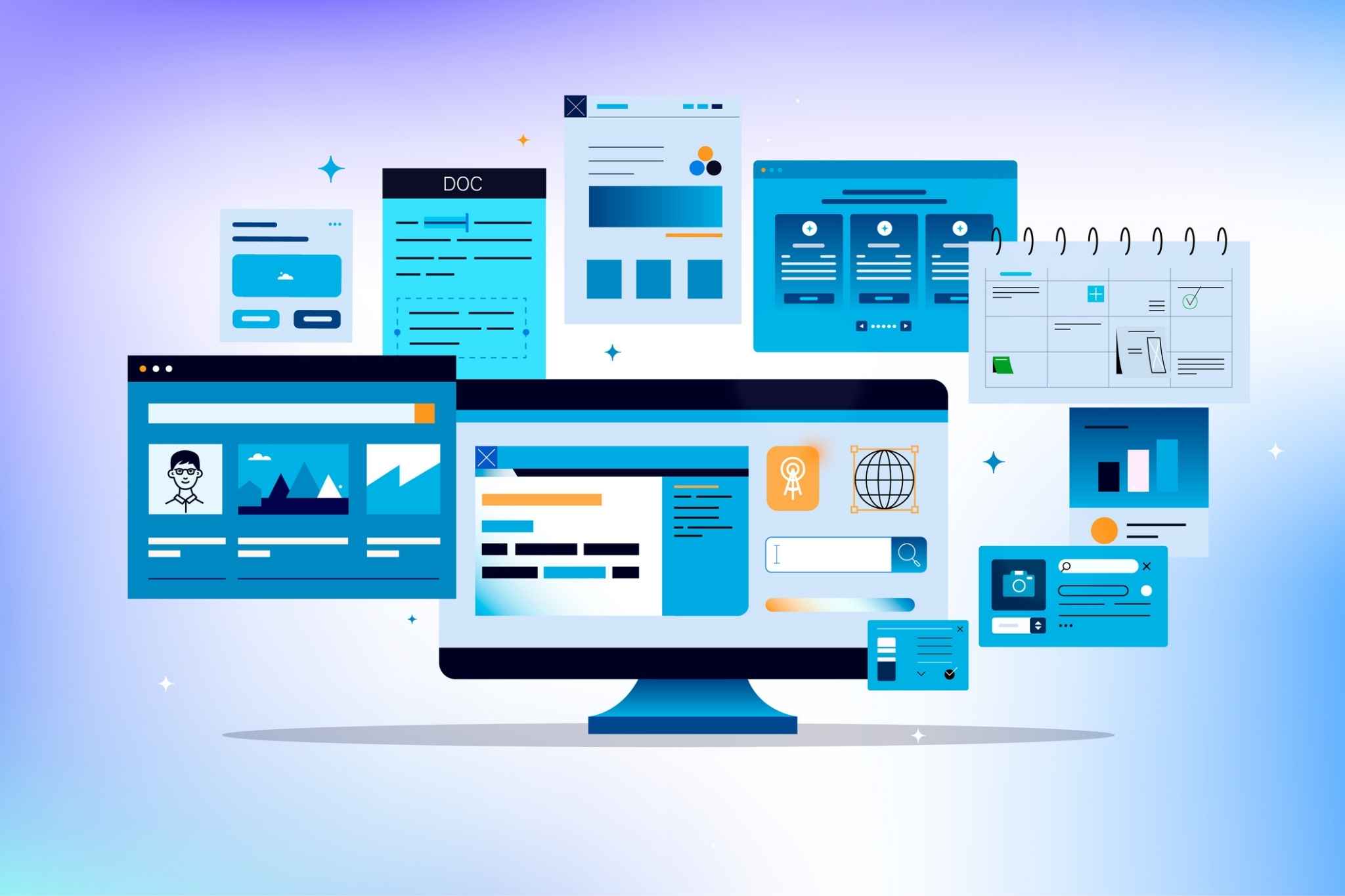
Creative design is about more than making your business look polished. The right visual assets can help your brand communicate clearly, build trust, support marketing campaigns, and guide customers toward action.
From website banners and landing page visuals to social media graphics, ad creatives, infographics, and short-form video assets, strong design helps your business show up consistently across every digital channel.
In this blog, we will look at why creative design matters, how visual assets support business growth, and how i2bGlobal helps businesses create professional, performance-focused design that works.
What Are Creative Design Services?
Creative design services include the visual materials that support your website, digital marketing, advertising, social media, and overall brand presence. These assets help customers recognize your business, understand your message, and feel confident engaging with your company.
Creative design may include:
- Website banners and hero graphics
- Landing page visuals
- Web icons and UI elements
- Branded infographics
- Display ad creatives
- Google and Meta ad graphics
- Social media post templates
- Carousel graphics
- Story graphics and promotional creatives
- Short-form video design for Reels, Shorts, and Stories
- Logo refinement and supporting brand visuals
- Campaign-specific promotional graphics
When these pieces are designed strategically, they do more than improve appearance. They support usability, credibility, engagement, and conversions.
Why Visual Assets Matter for Business Growth
Customers often form an impression of your business within seconds. If your website, ads, and social media visuals look inconsistent or outdated, it can affect how people perceive your professionalism.
Strong visual assets help your business:
- Build brand recognition
- Create a more professional digital presence
- Improve website engagement
- Support stronger advertising campaigns
- Make content easier to understand
- Improve trust with potential customers
- Guide users toward calls to action
Good design should always have a purpose. It should help visitors understand your message, navigate your website, engage with your content, or take the next step with your business.
Design That Supports Your Website
Your website is often the first place customers interact with your brand. Professional creative design can help your website feel more organized, visually appealing, and easy to use.
Custom banners, hero sections, icons, infographics, and landing page visuals can help explain your services more clearly while supporting the overall user experience. When visuals are aligned with your message and website structure, visitors can better understand who you are, what you offer, and why they should contact you.
For businesses investing in website development, creative design should not be treated as an afterthought. It should be part of the strategy from the beginning.
Creative Assets for PPC and Advertising
Advertising campaigns need visuals that capture attention quickly. Whether your business is running Google Ads, Meta ads, display campaigns, or promotional landing pages, creative quality can influence how users respond.
Effective ad creatives should be:
- Clear and easy to understand
- Aligned with the campaign goal
- Designed for the correct platform
- Consistent with your brand
- Built to support clicks, leads, or conversions
i2bGlobal designs advertising assets that support campaign strategy, audience targeting, and platform requirements. This may include static ads, display graphics, promotional banners, short-form video ads, and A/B test variations.
Social Media Creative That Builds Recognition
Social media moves quickly, and consistent visuals help your business stand out. Branded templates, carousel designs, story graphics, video thumbnails, and promotional posts can make your content look more professional and recognizable.
Reusable social media templates can also make ongoing content easier to manage. Instead of creating each post from scratch, your business can maintain a consistent visual style while still adapting content for different campaigns, services, or announcements.
For businesses using social media as part of a larger digital marketing strategy, professional design helps strengthen credibility and brand awareness.
A Strategic Approach to Creative Design
At i2bGlobal, creative design begins with the goal the asset needs to support. The design process is connected to brand alignment, user experience, marketing performance, and cross-platform delivery.
This means each visual asset is created with purpose. A website banner should support the page message. An ad graphic should support campaign performance. A social media template should help the brand stay consistent. A short-form video should be designed for the platform where it will be used.
i2bGlobal also works with professional design tools such as Adobe Creative Suite and Canva, depending on the project scope and client workflow. Editable Canva access can also be provided when requested, making it easier for businesses to collaborate and update approved assets.
How Creative Design Supports SEO, AEO, and AI Search
Creative design can also support stronger digital visibility. Search engines, answer engines, and AI search tools all depend on clear, helpful, well-structured content.
Visual assets can support SEO and AEO by improving user experience, making service pages easier to understand, supporting helpful content, and keeping users engaged. Infographics, branded images, clear landing page visuals, and well-organized page design can all help communicate information more effectively.
For AI search, clarity matters. When your website clearly explains your services, visual assets, brand messaging, and customer benefits, it becomes easier for users and search systems to understand what your business offers.
Help Your Business Stand Out with i2bGlobal
Creative design should help your business look professional, communicate clearly, and perform better online. With the right visual assets, your website, ads, social media, and marketing campaigns can work together as part of one stronger digital strategy.
i2bGlobal helps businesses create strategic creative design and visual assets that support website development, PPC advertising, social media marketing, SEO, and broader digital growth.
Contact i2bGlobal to Learn More About Creative Design Services
- Creative Design & Visual Assets: Professional graphics, banners, ads, templates, and branded visuals designed to support your marketing goals.
- Website Design & Development: Custom websites built with strategy, usability, and visual performance in mind.
- PPC & Digital Advertising: Campaign-focused creative assets for Google, Meta, display ads, and landing pages.
- Social Media Marketing: Branded templates, graphics, video assets, and promotional content designed for stronger consistency.
- SEO & AEO Strategy: Search-focused content and digital structure that help your business get found online.
Get in Touch Today:
From creative design and visual assets to website development, PPC, SEO, hosting, and ongoing support, i2bGlobal helps businesses build a stronger digital presence designed to get noticed, get found, and get more business.
May 12, 2026
Erin
Search Engine Optimization Social Media
Social media should do more than keep your business visible online. When managed properly, it can help build trust, support customer relationships, drive website traffic, strengthen brand awareness, and create more opportunities for people to take action.
For many businesses, the challenge is not whether they should be on social media. The bigger challenge is knowing what to post, where to post, how often to post, and how to connect social media activity back to real business goals.
That is where professional social media management services can make a difference. Instead of treating social media as a last-minute task, businesses can use it as a planned digital marketing channel with strategy, consistency, creative content, audience engagement, and reporting behind it.
In this blog, we will look at what social media management includes, why it matters for growing businesses, and how i2bGlobal helps turn your social media channels into stronger business assets.
Why Social Media Management Matters
Social media plays a major role in how people discover, evaluate, and interact with businesses. According to DataReportal’s Digital 2026 Global Overview Report, more than 6 billion people now use the internet, and social media users have reached “supermajority” status globally. That kind of reach makes social platforms an important part of a modern digital presence.
But having accounts is not the same as having a strategy.
A business may post occasionally, share promotions, or update followers when something happens. While that can help, it often does not create the consistency or direction needed to build momentum over time.
Social Media Helps Support the Full Customer Journey
Strong social media management can support different stages of the customer journey, including:
- Brand awareness when someone first discovers the business
- Education when a potential customer wants to learn more
- Trust-building through helpful, consistent content
- Engagement through comments, messages, and conversations
- Website traffic through blogs, service pages, landing pages, or campaigns
- Lead generation through clear calls to action
- Customer retention through ongoing communication
Social media does not work in isolation. It works best when it connects to the rest of the business’s digital marketing strategy.
What Social Media Management Services Include
Professional social media management is more than creating a few posts each month. It brings together strategy, content, scheduling, monitoring, engagement, reporting, and ongoing improvement.
For businesses that do not have time to manage social media internally, this support can help create a more consistent and professional online presence.
Social Media Strategy
A strong social media presence starts with a clear plan. Before posting, businesses need to understand what they want social media to accomplish. A social media strategy may define:
- Target audiences
- Platform priorities
- Brand voice and messaging
- Content pillars
- Posting frequency
- Campaign goals
- Website or landing page connections
- Key performance indicators
- Paid and organic opportunities
Without strategy, social media can become reactive. With strategy, it becomes more focused, measurable, and aligned with business growth.
Content Planning and Creation
Content is what keeps a brand active, visible, and useful to its audience. However, strong content should not feel random. It should reflect the business’s services, values, expertise, audience needs, and marketing goals. Social media content can include the following:
- Educational posts
- Blog promotions
- Service highlights
- Company updates
- Client-focused messaging
- Testimonials or reviews
- Behind-the-scenes content
- Graphics, videos, reels, and stories
- Seasonal or campaign-based content
- Calls to action that guide users to the next step
Good content helps people understand what a business offers and why it matters.
Turning Social Media Into a Business Asset
A business asset is something that supports growth, creates value, and contributes to long-term goals. Social media can become a business asset when it is planned, managed, and connected to the bigger picture.
That means looking beyond likes and impressions. While engagement metrics are useful, they are only part of the story. The real value comes from how social media supports visibility, trust, traffic, inquiries, customer service, and brand reputation.
Brand Visibility and Recognition
Consistent social media activity helps keep a business visible. When people repeatedly see helpful, relevant, and professional content, they become more familiar with the brand.
Over time, this can help a business:
- Stay top of mind with potential customers
- Build recognition in its market
- Reinforce key services and areas of expertise
- Support promotions, launches, and announcements
- Create a more active and trustworthy online presence
People may not contact a business after seeing one post. But consistent visibility can make the business easier to remember when the need arises.
Customer Trust and Engagement
Social media is one of the few digital channels where businesses can communicate with their audience in real time. Comments, messages, mentions, and reviews can all influence how people experience a brand.
The 2025 Sprout Social Index found that consumers increasingly expect responsive customer care through social channels, with the report based on surveys of more than 4,000 consumers and 1,200 marketers.
This makes social media management important for more than marketing. It can also support communication, service, and reputation. A well-managed social media presence can help businesses:
- Respond to questions more quickly
- Monitor comments and messages
- Share helpful information
- Address concerns professionally
- Create a more approachable brand experience
- Build stronger relationships with customers and followers
How Social Media Supports SEO, AEO, and AI Search
Social media is not a direct replacement for SEO, but it can support a stronger digital presence. When content is planned well, social media can help distribute website content, increase visibility, support brand searches, and create more pathways back to the business’s website.
Search has also changed. People now use traditional search engines, social platforms, AI tools, maps, and answer-based search experiences to learn about businesses. That means content needs to be clear, useful, and easy to understand across multiple channels.
Social Content Can Support Search Visibility
Social media management does not just promote content; it creates a web of digital touchpoints that help search engines and AI models better understand a brand’s authority. By maintaining active channels, businesses can effectively support their digital visibility through several key methods:
- Promoting blogs, service pages, and landing pages
- Encouraging branded searches
- Increasing traffic to the website
- Reinforcing key services and topics
- Creating content that answers common customer questions
- Supporting local and industry-specific authority
- Helping users find helpful content in different formats
- Building social signals that indicate brand relevance to modern search algorithms
- Improving the speed at which new website content is indexed by search engines through social distribution
For AEO and AI search, clarity matters. Content that explains what a business does, who it helps, where it serves, and what questions it answers is easier for both people and search systems to understand.
Why Businesses Struggle to Manage Social Media Internally
Many businesses know social media is important, but managing it consistently can be difficult. Internal teams are often busy serving customers, handling operations, managing sales, or running daily business tasks.
Social media can easily become inconsistent when there is no dedicated plan or process.
Common Social Media Challenges
While the benefits of social media are clear, the day-to-day execution can be overwhelming for many organizations. Most businesses often struggle with several core challenges that prevent their social channels from reaching their full potential:
- Knowing what to post
- Creating enough content
- Maintaining a consistent schedule
- Keeping branding and messaging aligned
- Responding to comments and messages
- Understanding platform changes
- Measuring what is working
- Connecting social media to website traffic or leads
- Balancing organic content with paid campaigns
Professional social media management helps create structure. It gives businesses a clearer plan, stronger content, better consistency, and ongoing support.
How i2bGlobal Supports Social Media Management
i2bGlobal helps businesses manage social media as part of a larger digital marketing strategy. That matters because social media should not be disconnected from the website, SEO, branding, advertising, content, or business goals.
A strong social media plan works best when it supports the full digital ecosystem.
i2bGlobal’s Social Media Support Can Include:
- Social media strategy
- Content planning
- Graphic design and creative support
- Copywriting and caption writing
- Blog and website content promotion
- Platform management
- Scheduling and publishing
- Community monitoring
- Campaign support
- Reporting and performance review
- Integration with broader digital marketing goals
This connected approach helps businesses create content that is not only active, but purposeful.
Build a Social Presence That Supports Business Growth
Social media should not be treated as a box to check. It should help your business communicate clearly, stay visible, build trust, support your website, and guide people toward action.
With the right strategy and management, your social media channels can become business assets that support long-term digital growth.
If your business needs a stronger, more consistent, and more strategic social media presence, i2bGlobal can help.
Contact i2bGlobal to Learn More
- Social Media Management: Strategic planning, content creation, scheduling, engagement, and reporting.
- Digital Marketing Support: Connected marketing services designed to support visibility, traffic, and growth.
- SEO & AEO Strategy: Search-focused content and technical support for traditional and AI-driven discovery.
- Custom Website Development: Professional websites and web applications built around business goals.
- Web Hosting & Maintenance: Secure hosting, updates, troubleshooting, and ongoing technical support.
Get in Touch Today:
From social media management and digital marketing to SEO, custom website development, hosting, and ongoing support, i2bGlobal helps businesses build stronger online platforms designed to perform.